Get Basement Underpinning in Boston, MA
Basement underpinning services help Boston property owners stabilize, strengthen, or expand their foundations, addressing issues like settling, cracks, or basement height improvements.
Basement underpinning services are an important consideration for property owners in Boston, MA who are looking to enhance the stability and usability of their homes. Whether dealing with foundational concerns or planning future renovations, many owners explore underpinning as a practical solution to support aging or shifting structures. Finding experienced local contractors who specialize in underpinning can help ensure that the project is managed effectively, providing peace of mind during what can be a complex process.
For those evaluating options, understanding the benefits of professional underpinning can be a valuable step in planning a property improvement project. Local service providers who focus on underpinning work have the knowledge and expertise to assess specific needs and recommend suitable approaches. Continuing to explore your options and comparing different contractors can help identify the right fit for your property’s requirements in Boston, MA.
- Basement Underpinning - needed when a homeowner notices uneven or sagging floors in neighborhoods like Dorchester or South Boston.
- Foundation Stabilization - required if cracks or shifting are observed in basements of historic Boston row houses.
- Structural Reinforcement - essential during renovations that involve expanding or remodeling basement spaces in Cambridge or Quincy.
- Foundation Repair - necessary when signs of settling or water intrusion appear in basement walls of residential properties in Medford or Brookline.
- Basement Support Installation - used when strengthening the foundation is part of a major home upgrade in areas such as Charlestown or Jamaica Plain.
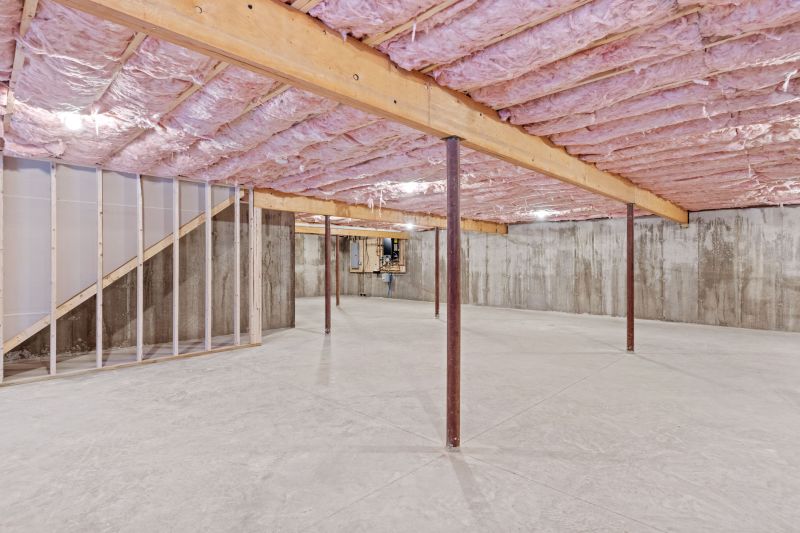
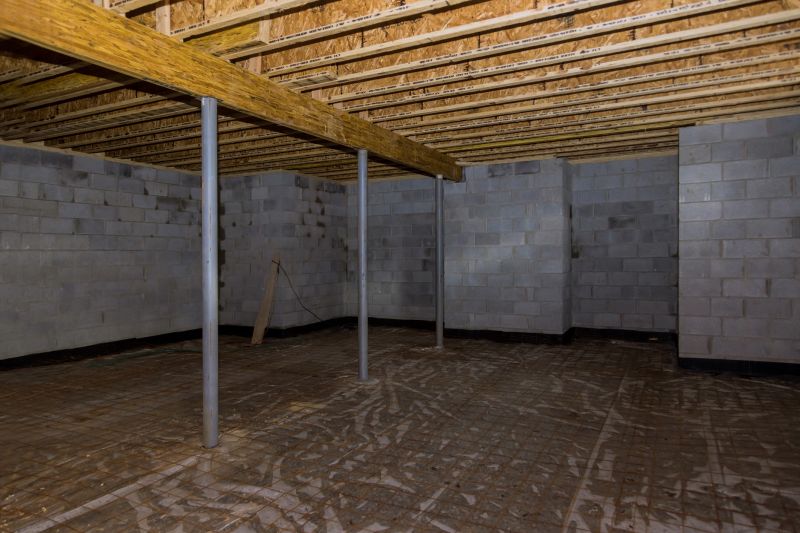
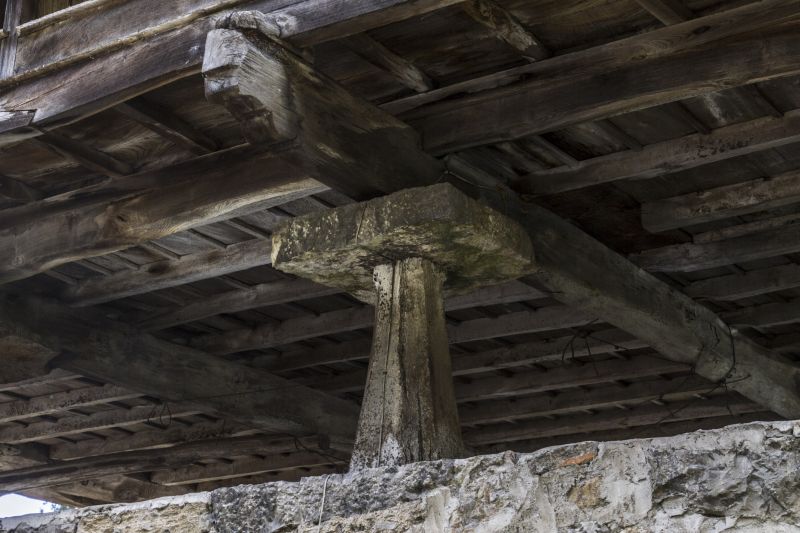
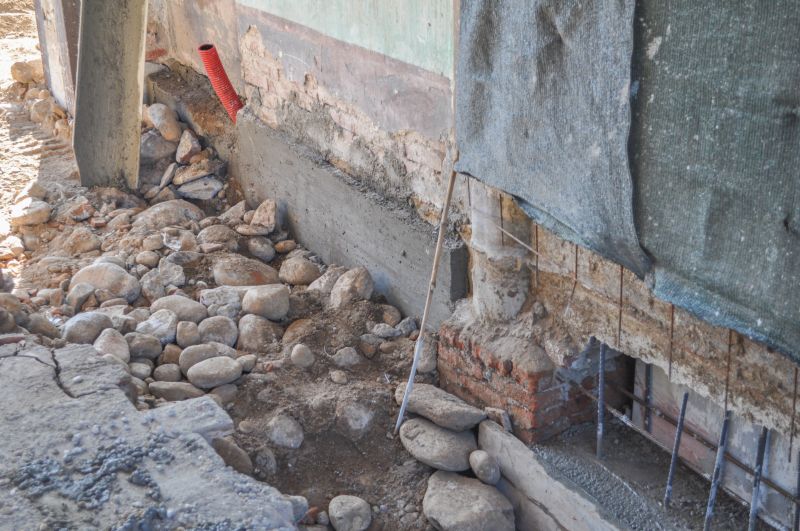
Basement underpinning services involve strengthening and stabilizing the foundation of a property by extending or reinforcing the existing basement walls. This process typically includes excavating beneath the current foundation, then adding new support structures such as concrete piers, underpinning walls, or steel supports. The goal is to create a more solid and level foundation that can better bear the weight of the building, helping to prevent structural issues over time. Skilled service providers assess each property’s specific needs and develop tailored solutions to ensure the stability and safety of the home’s foundation.
This service is particularly valuable for addressing common foundation problems such as settling, uneven floors, cracks in walls or ceilings, and signs of shifting or movement in the structure. When a property experiences these issues, underpinning can help restore stability and prevent further damage. It is also a solution for homes that have been built on unstable soil or have experienced changes in the ground beneath them, such as after nearby construction or natural soil shifting. By strengthening the foundation, underpinning can help maintain the integrity of the entire property.
Properties that typically benefit from basement underpinning include older homes with original foundations, structures that have experienced subsidence, or buildings showing signs of foundation distress. Both residential properties and some small commercial buildings may require underpinning if their foundations are compromised. In areas with expansive or unstable soil conditions, such as those found in parts of Boston and surrounding communities, underpinning can be an essential step in preserving the property's stability and safety.
Homeowners who notice issues like uneven flooring, cracks in basement or interior walls, or doors and windows that no longer close properly should consider consulting with a foundation specialist. Underpinning services can provide the necessary support to address these problems and help prevent more serious structural damage. Local contractors experienced in basement underpinning can evaluate the condition of a property’s foundation and recommend the most appropriate course of action to ensure long-term stability and peace of mind.
The overview below groups typical Basement Underpinning projects into broad ranges so you can see how smaller, mid-sized, and larger jobs often compare in Boston, MA.
In many markets, a large share of routine jobs stays in the lower and middle ranges, while only a smaller percentage of projects moves into the highest bands when the work is more complex or site conditions are harder than average.
Smaller Repairs - Typical costs for minor underpinning fixes in Boston and nearby areas range from $250 to $600. Many routine jobs fall within this range, covering small sections or localized issues. Larger, more complex repairs can exceed this range but are less common.
Partial Underpinning - For partial foundation stabilization or reinforcement, local contractors often charge between $1,000 and $3,500. Most projects in this category are mid-sized and fit comfortably within this range, with fewer projects reaching higher costs.
Full Basement Underpinning - Complete basement underpinning projects usually cost between $10,000 and $30,000. Many homeowners in Boston experience costs in this middle band, although larger or more intricate projects can go beyond this range.
Full Foundation Replacement - Larger, more involved foundation replacements can range from $25,000 to $75,000 or more. These projects are less common and typically involve extensive work, pushing costs into the higher tiers based on project size and complexity.
Actual totals will depend on details like access to the work area, the scope of the project, and the materials selected, so use these as general starting points rather than exact figures.
Foundation Repair - professionals who stabilize and repair existing foundations often use similar underpinning techniques to ensure structural integrity.
Slab Jacking and Lifting - this process involves lifting and leveling concrete slabs, requiring similar planning and soil stabilization skills as underpinning work.
Basement Waterproofing - waterproofing projects often involve working beneath the foundation, utilizing similar excavation and structural assessment skills.
Retaining Wall Construction - building retaining walls involves soil analysis and reinforcement strategies comparable to underpinning methods.
Structural Reinforcement - reinforcing load-bearing elements in buildings shares planning and technical expertise with underpinning services.
Soil Stabilization - soil stabilization projects focus on improving ground stability, aligning closely with the skills used in underpinning foundations.
When evaluating contractors for basement underpinning projects, it’s important to consider their experience with similar types of work. Homeowners should seek out service providers who have a proven track record handling underpinning in homes comparable to their own, especially within the Boston area or nearby communities. An experienced contractor will be familiar with local soil conditions, building codes, and common challenges, which can contribute to a smoother project process and more reliable results.
Clear, written expectations are essential when comparing local contractors for underpinning services. Homeowners should request detailed proposals that outline the scope of work, materials to be used, and the steps involved in the project. Having these details in writing helps ensure everyone is on the same page and reduces the risk of misunderstandings. It also provides a basis for comparing the professionalism and thoroughness of different service providers.
Reputable references and effective communication are key factors to consider when selecting local contractors. Homeowners should ask for references from previous clients who had similar work done and follow up to learn about their experiences. Additionally, service providers who communicate clearly and promptly demonstrate professionalism and respect for the homeowner’s concerns. While the site introduces homeowners to local options capable of handling underpinning projects, it is up to the homeowner to verify these qualities to find the best match for their needs.
Property owners in Boston, MA use Basement Underpinning services for practical projects around their homes and businesses. This guide focuses on everyday jobs and straightforward project options.
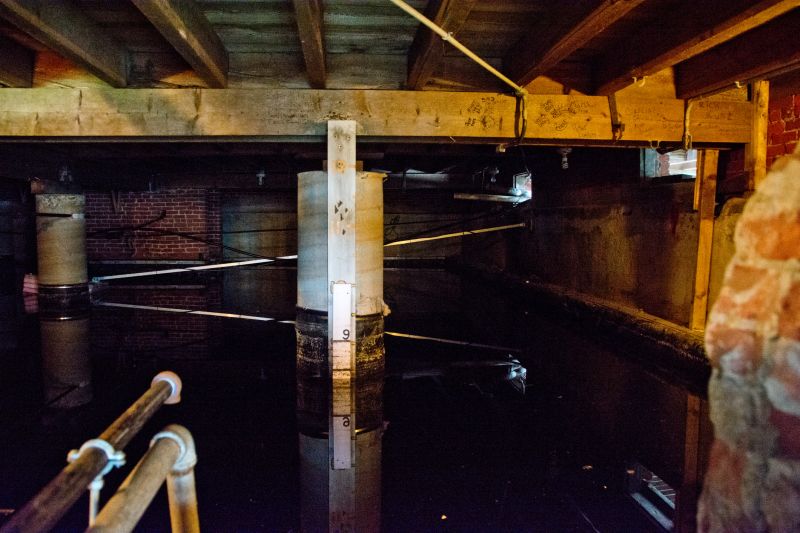
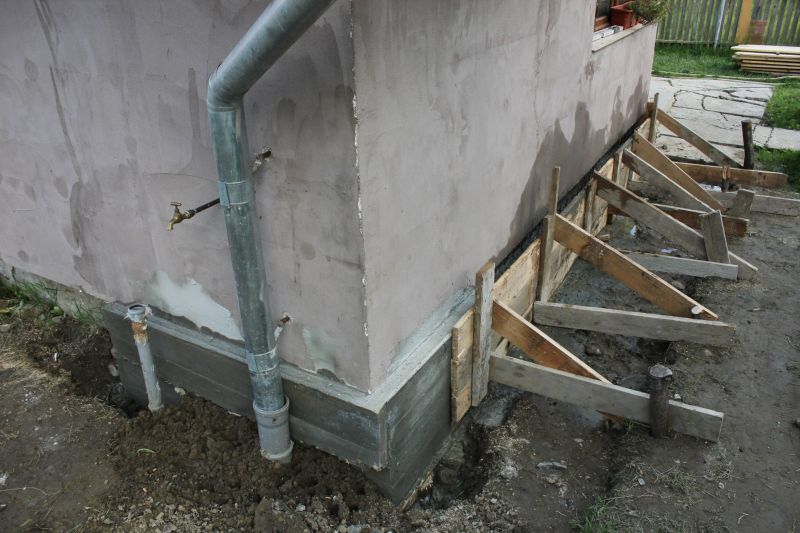
Basement underpinning services are often needed when property owners in Boston notice uneven floors, cracks in basement walls, or doors and windows that no longer close properly. These issues can arise from shifting soil, increased moisture levels, or aging foundations, which are common concerns for older homes and buildings in the area. Local contractors specializing in underpinning can assess the situation and provide solutions to stabilize and strengthen the foundation, helping to prevent further damage and maintain the property's value.
Homeowners in Boston may also seek underpinning services during renovations or additions that require a stable and secure foundation. For example, expanding a basement or adding new living space can reveal existing foundation weaknesses. Service providers experienced in underpinning can help address these challenges efficiently, ensuring the structural integrity of the property is preserved. Connecting with local experts can make it easier to find the right support for these common project needs.
What is basement underpinning? Basement underpinning involves strengthening and stabilizing a building's foundation by extending or modifying the existing basement walls to improve support and prevent settling issues.
When might basement underpinning be necessary? Underpinning may be needed if there are signs of foundation movement, cracks in basement walls, or uneven floors indicating shifting or settling of the structure.
What methods do local contractors use for underpinning? Contractors typically use techniques such as piering, underpinning with concrete or steel supports, and wall stabilization to reinforce the foundation.
Are there different types of underpinning available? Yes, options include traditional underpinning, mini-piles, and beam and base underpinning, each suited to different foundation conditions and structural needs.
How can homeowners find qualified service providers for underpinning? Homeowners can compare local contractors through lead generation services that connect them with experienced professionals in their area.
Foundation Stabilization - Local contractors can reinforce a sinking or uneven basement foundation to prevent further shifting and protect the structural integrity of a property.
Basement Floor Support - Service providers can install underpinning to strengthen and level basement floors, making spaces safer and more usable.
Retrofitting for Home Expansion - Underpinning services can enable property owners to safely add additional stories or extend existing basement areas for extra living or storage space.
Moisture and Drainage Improvement - Professionals can help improve basement stability by addressing underlying issues related to soil movement and water drainage around the foundation.
If you are thinking about Basement Underpinning for a property in Boston, MA, this guide is meant to help you understand the work, the typical project types, and how different options might fit your plans.
When you are ready, you can use the quote form on this page to share a few details about your project. From there, local pros can review the basics and respond with options that match what you have in mind.